How to Spot Damage: A DIY Roof Inspection Guide


Understanding the Importance of Roof Inspections
Your roof is a crucial part of your home, protecting it from the elements. Regular inspections can help you spot damage early, preventing costly repairs. Conducting a DIY roof inspection might seem daunting, but with the right guidance, you can effectively assess your roof's condition.
Whether it's shingles, tiles, or metal, all roof types require regular checks. Identifying signs of damage early can save you time and money in the long run. It's important to know what to look for and how to address potential issues.
Preparing for Your Roof Inspection
Before you start, make sure you have the necessary tools: a sturdy ladder, binoculars, a flashlight, and a notebook. Safety should be your top priority, so ensure your ladder is stable and placed on a flat surface. If you're not comfortable climbing, consider inspecting from the ground with binoculars or hiring a professional.
It's advisable to perform inspections twice a year, ideally in the spring and fall. This timing helps identify any damage from winter storms or prepare for upcoming weather changes.
Identifying Common Roof Problems
Damaged or Missing Shingles
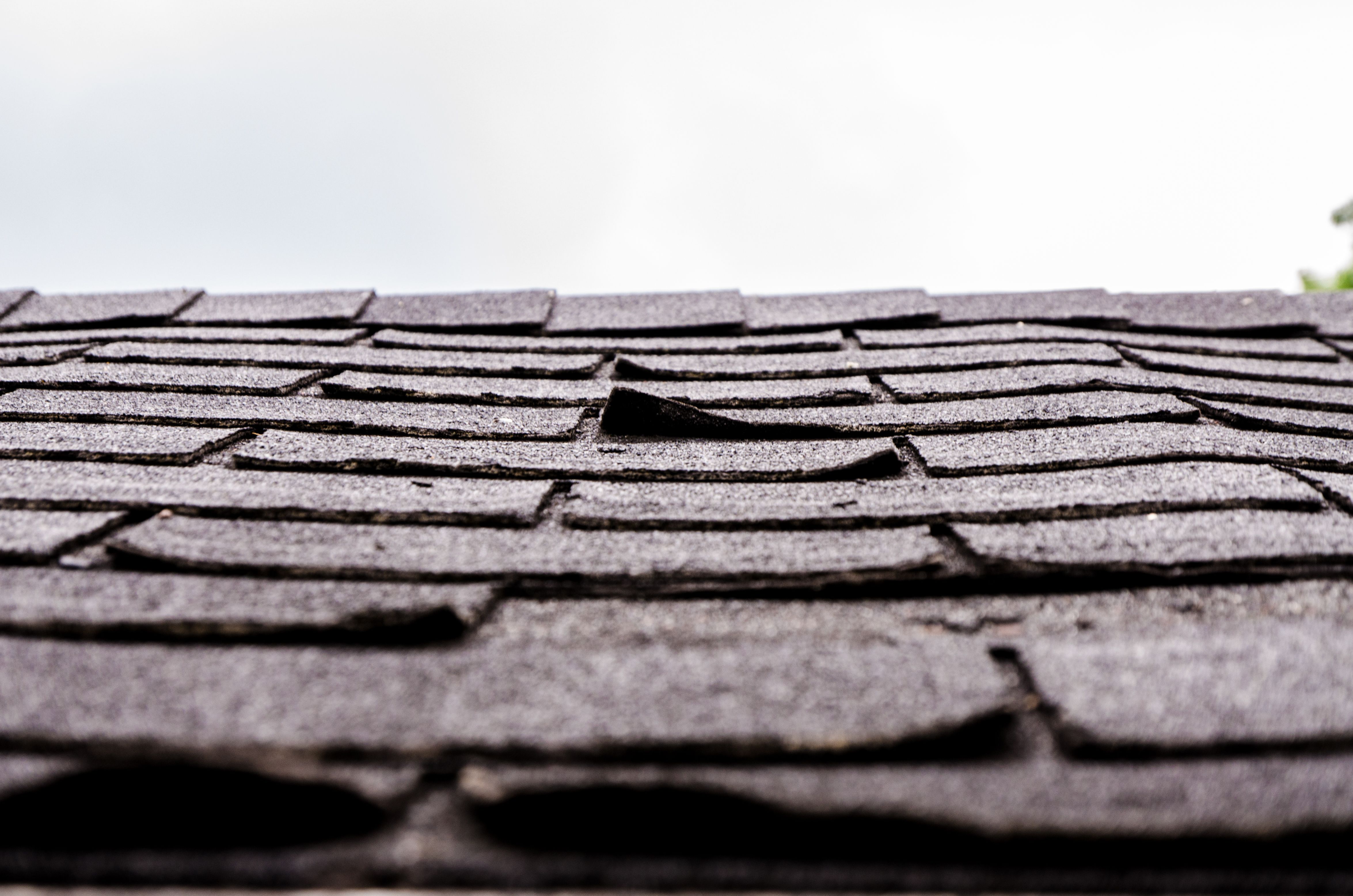
Shingles can become damaged due to weather conditions. Look for signs like curling, cracking, or missing shingles. These issues can lead to leaks and further damage if not addressed promptly.
Inspecting Roof Flashing
Flashing is vital for preventing water intrusion at roof joints. Check for rust, cracks, or damaged sections, particularly around chimneys, vents, and skylights. Properly sealed flashing is essential for a watertight roof.
Inadequate flashing can cause significant water damage, so repair or replace any compromised areas immediately.
Checking for Water Damage
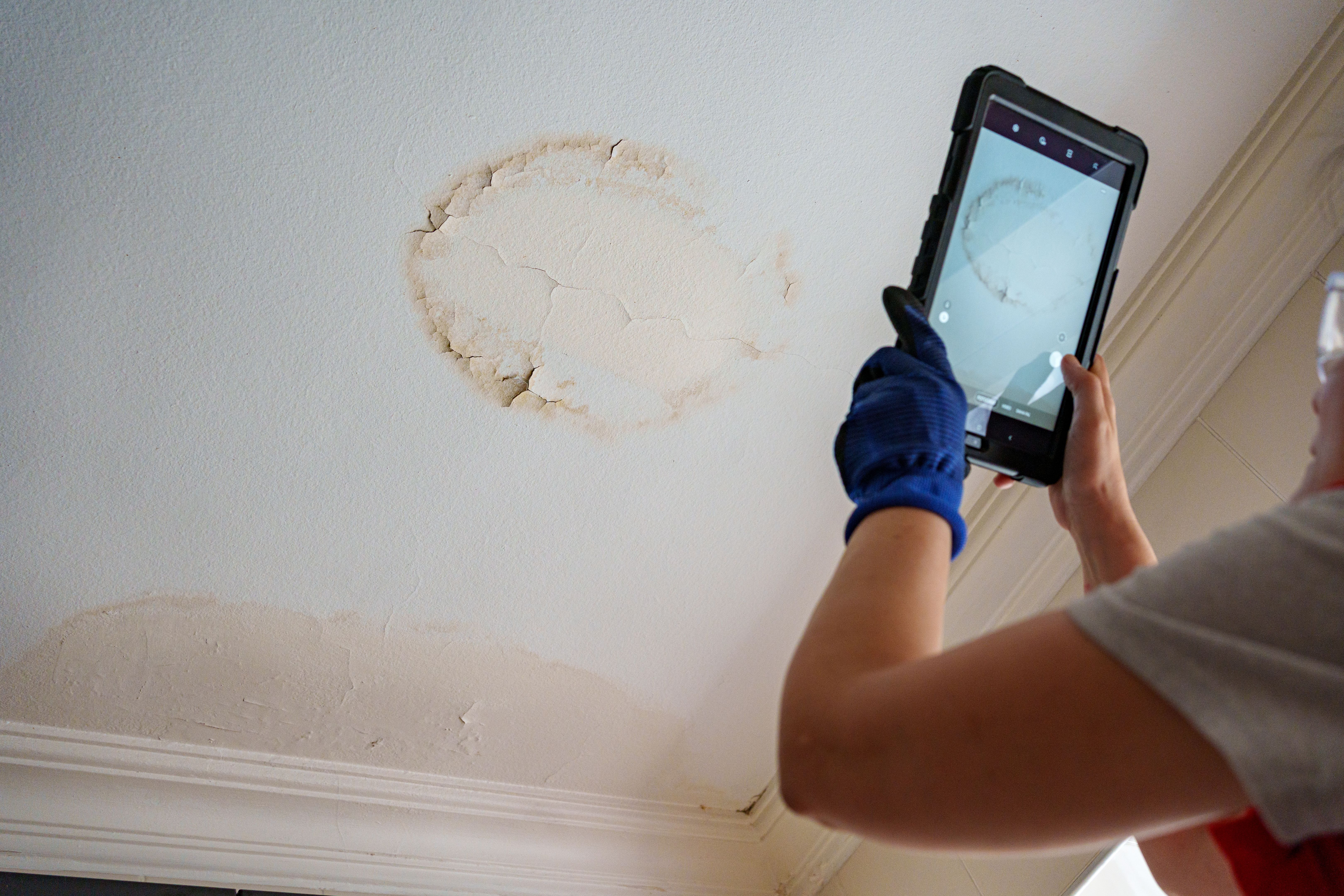
Water stains on your ceiling or walls can indicate a roof leak. Use a flashlight to inspect your attic for any signs of water intrusion, such as damp insulation or mold growth. These are clear indicators that your roof may need repairs.
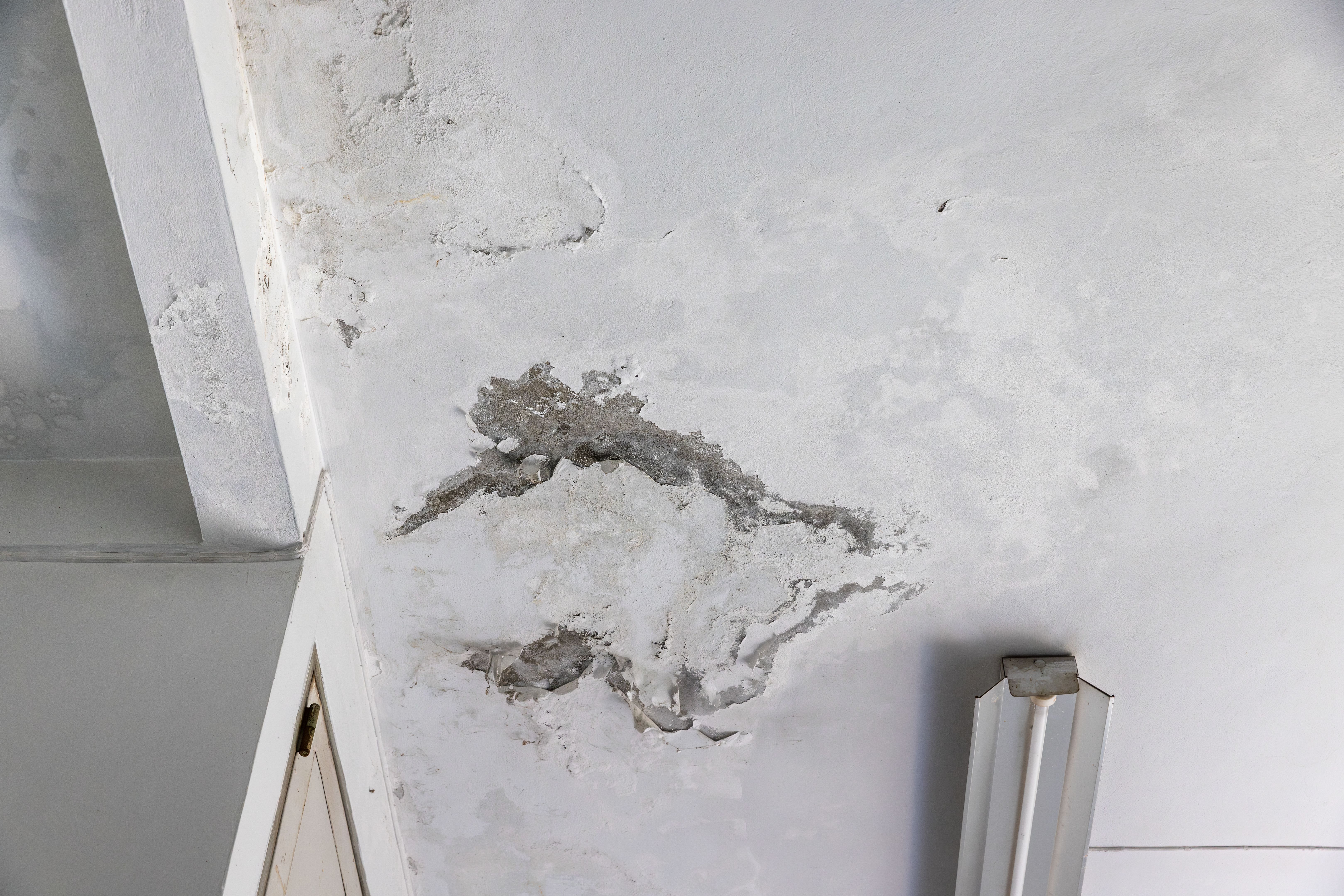
It's important to address water damage quickly to prevent structural issues. If you notice any signs, consult a professional to assess the extent of the damage.
Examining the Roof's Structural Integrity
Beyond surface damage, check for any sagging or uneven areas. This could indicate a structural issue that might require more extensive repairs. Ensure gutters and downspouts are clear of debris to prevent water backup and damage to your roof's structure.
Regular maintenance of these elements can extend your roof's lifespan and ensure it remains in good condition.
Conclusion
Conducting a DIY roof inspection is a proactive way to maintain your home's integrity. By spotting damage early, you can avoid costly repairs and keep your home safe and secure. Remember, if you're ever in doubt, don't hesitate to contact a professional for a thorough assessment.
With the right tools and knowledge, you can confidently inspect your roof and ensure it continues to protect your home for years to come.